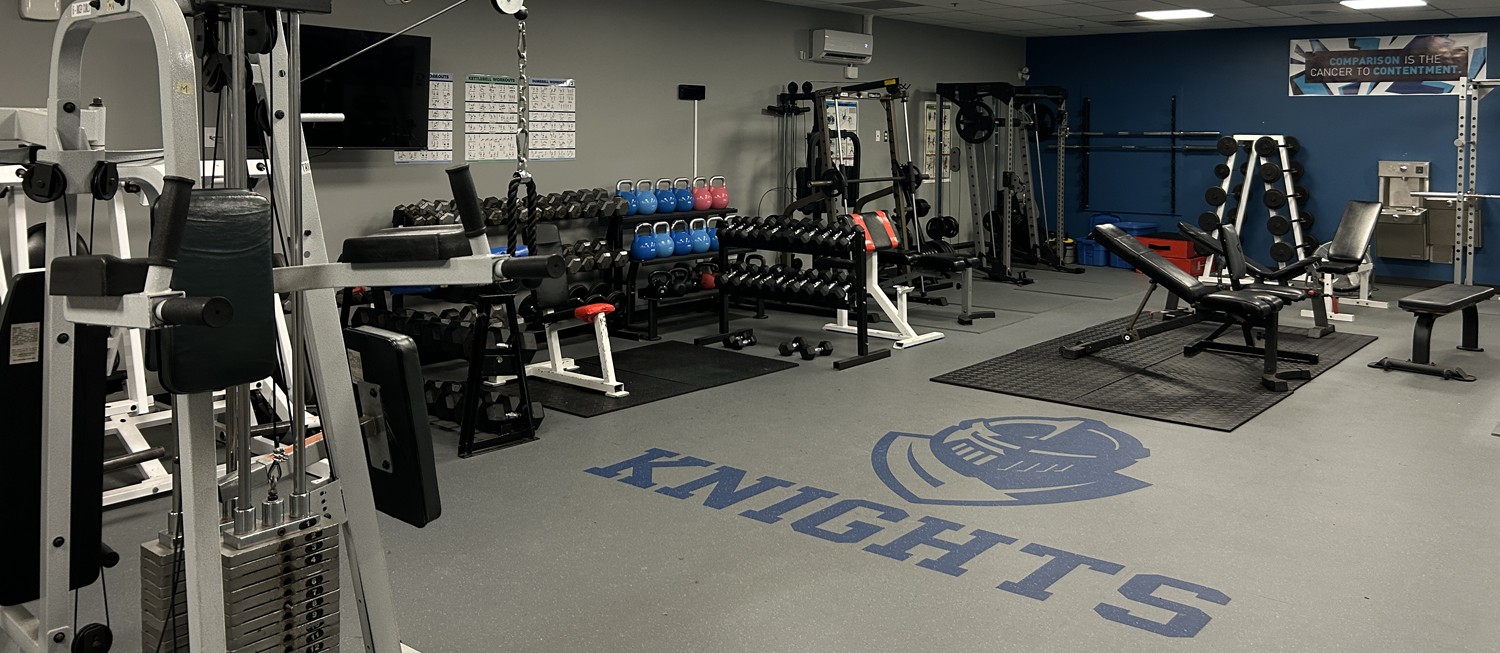
I confess I am not much of an athlete. I don’t enjoy physical exercise just for the sake of moving my body, and I certainly don’t sport a physique that screams fit. And yet, twice a week, I set my alarm and head to the secondary school fitness room to join colleagues for afternoon interval training.
Do I want to go? Not really.
Would I rather be doing something else? Absolutely.
I go anyways, because it’s important for my physical and mental health. These workouts build my strength, improve balance and posture, and boost endurance. But what really keeps me going isn’t motivation or enjoyment, it’s routine. I’ve done it often enough that it has become a habit.
What Is Not The Problem
We all have habits. Some serve us well; others don’t.
Habits explain much of our behaviour and demonstrate how small, repeatable actions can shape our lives over time. There is no shortage of research and popular writing that explores how habits form through the cue, routine, reward loop, and how this understanding can help us change habits.
What I’ve learned, though, is that knowing what to do is rarely the problem. Good intentions and willpower alone are not enough to create habits that last.
James Clear, in Atomic Habits, argues that lasting change comes from improving our systems, not simply setting goals. Systems determine what we do repeatedly, especially when motivation dwindles. When we are tired, stressed, or overwhelmed, which we all are at times, we fall back on our established systems and habits. Clear famously states, “You do not rise to the level of your goals. You fall to the level of your systems.”
So what does this have to do with education? Everything!
Success In Structure
If habits and systems matter this much in life, they matter profoundly for learners. As educators, we play a crucial role in shaping students’ learning habits through explicit teaching of expectations, consistent routines, and intentional positive reinforcement. Long-term success in learning depends less on motivation or capability, and more on the daily structures that make productive learning behaviours automatic.
Just as my workouts succeed because they are built into the systems of my week, student success is far more likely when learning is supported by strong, repeatable systems. If we want students to become resilient, independent learners, we must help them build habits that make learning not just possible, but sustainable.
And that is work worth showing up for.

WHAT DO YOU THINK?